On the East African plateau, Kenya is pushing forward infrastructure development at an unprecedented pace. Over the next decade, this country — often called the “Gateway to East Africa” — will launch large-scale projects across multiple sectors, offering rare opportunities for Chinese companies looking to expand overseas.
I. Main Investment Themes in Kenya’s Engineering Sector, 2025–2035
Housing: 1 million affordable homes to be built within five years — roughly 200,000 per year. The Affordable Housing Fund budget for fiscal year 2025/26 is about 95 billion Kenyan shillings (approx. $730 million), supplemented by urban renewal and other project budgets.
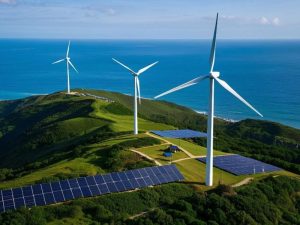
Energy: According to the National Energy Pledge 2025–2030, Kenya aims to add about 6,260 MW of new renewable capacity (geothermal, hydro, wind, solar, etc.) by 2030, while achieving universal electricity access through grid and off-grid solutions.
Transport corridors:The Mombasa–Nairobi Expressway will cost approximately $1.5 billion, split into two sections ($863 million + $679 million). Construction runs until 2027, followed by a 28-year toll concession.The Lamu–Isiolo–Lokichar trunk road is estimated at about $1.396 billion, with unit costs of $1.4–1.8 million per kilometre. A separate 410 km section contract is worth roughly 28 billion shillings.
Industrial parks / SEZs and warehousing: According to the President’s office, the Dongo Kundu and Naivasha SEZs represent an investment of about $1 billion. The government has already provided a starter fund of 3 billion shillings for six new SEZs, to be used for infrastructure and land preparation.
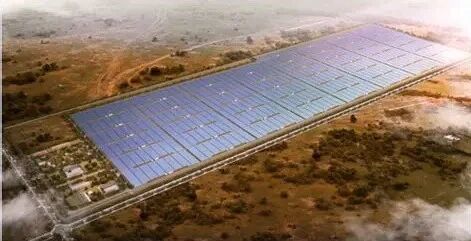
Garissa 50 MW Power Generation Project, Kenya
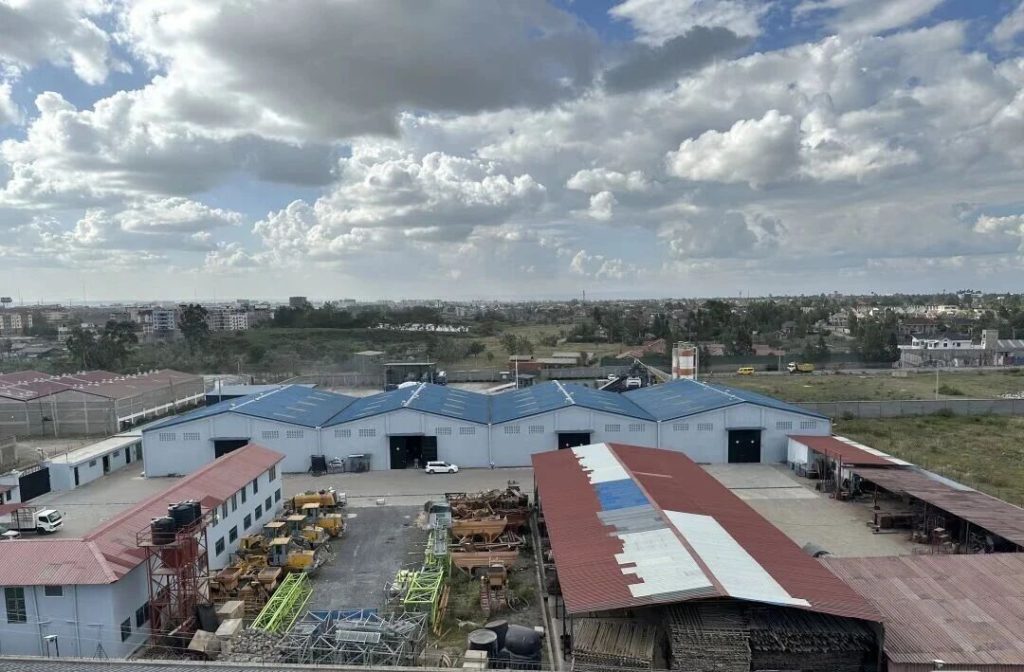
Nairobi Industrial Park
II. Unique Advantages and Opportunities for Chinese Companies
Comprehensive supply chains.
Chinese companies have built end to end capabilities — from design and construction to operation and maintenance. Compared with local firms, Chinese companies can offer “turnkey solutions”, which are particularly suited to Kenya’s large-scale, complex projects.
Clear cost-performance advantage.
China’s practical experience in renewable energy, high-speed rail technology, and digital payments aligns well with Kenya’s development needs. Moreover, China’s mature supply chains help control project costs — a distinct competitive edge in Kenya’s value conscious market.
Joint development by government and enterprise.
China and Kenya already have a solid foundation for cooperation under the Belt and Road Initiative. Going forward, Chinese companies can explore diverse partnership models, working alongside local governments and the private sector to develop projects.
III. A Ten-Year Window of Opportunity
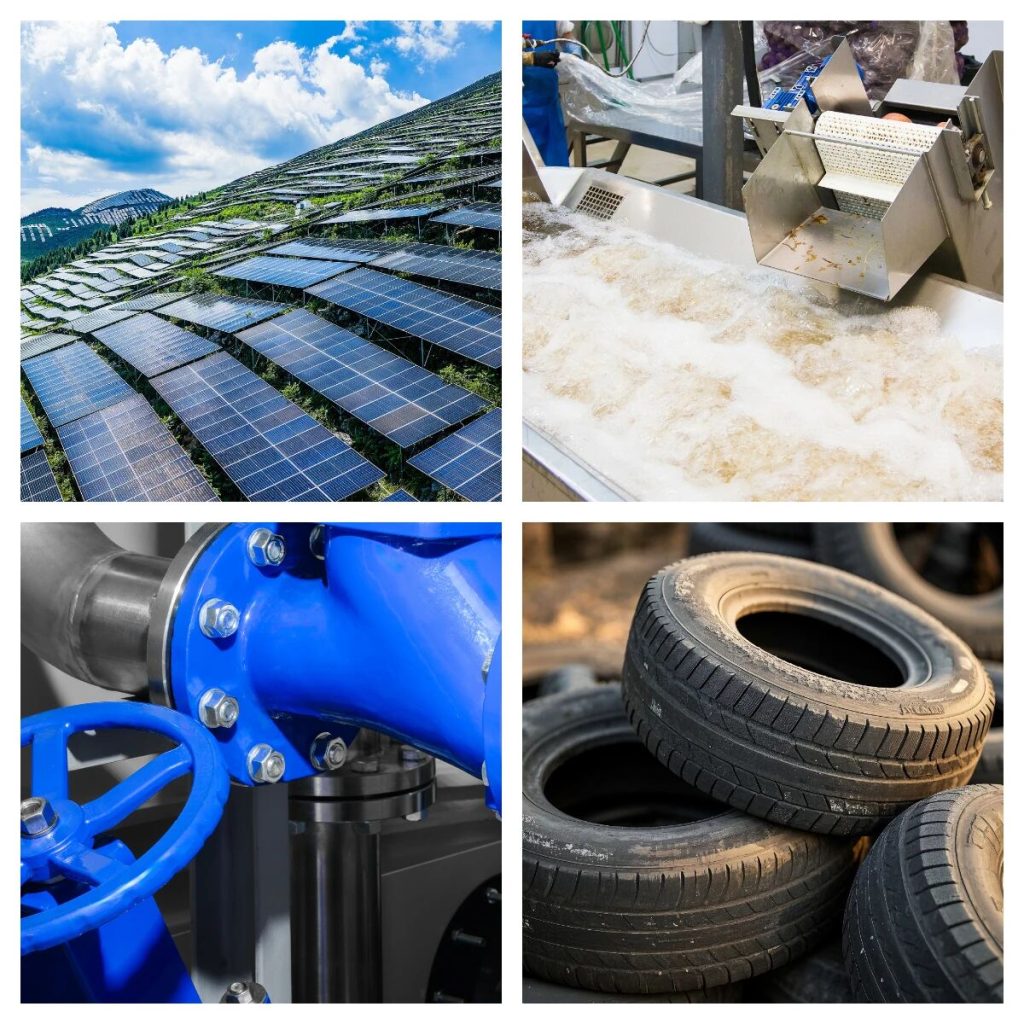
Solar photovoltaic equipment (solar panels, PV modules, inverters, energy storage batteries, etc.)
Construction machinery and building materials (dump trucks, cement mixers, truck parts, decorative materials, etc.)
Agricultural machinery and equipment (tractors, sprayers, seeders, woven bags, etc.)
Complete vehicles, auto parts and tyres (motorcycles, scooters, loading trucks, four-wheel electric vehicles, etc.)
Over the next decade, Kenya’s engineering projects will reshape the economic geography of East Africa. If Chinese companies engage in this process with innovation, sustainability and a sense of responsibility, they can achieve commercial success while setting a new benchmark for China-Africa cooperation.
Since late 2024, millions of Kenyan households and businesses have been hit by frequent blackouts. President William Ruto has publicly acknowledged that power shortages have forced the government ...
Kenya is positioning itself as a major manufacturing hub in Africa. A new $3 billion investment is expected to accelerate industrial development, create jobs, and strengthen the country’...
Not long ago, most Kenyans lived without a connection to the national grid. Around 80% of the population struggled to access reliable electricity, and diesel was the dominant source of power. Toda...
East Africa, particularly Kenya and Tanzania, has a long textile tradition. In recent years, rising living standards and global economic growth have made carpets an essential household item&n...
 East Africa (Kenya) Fashion Life Show